Fascinating Facts About Stools You Probably Didn’t Know
Feb 24, 2025
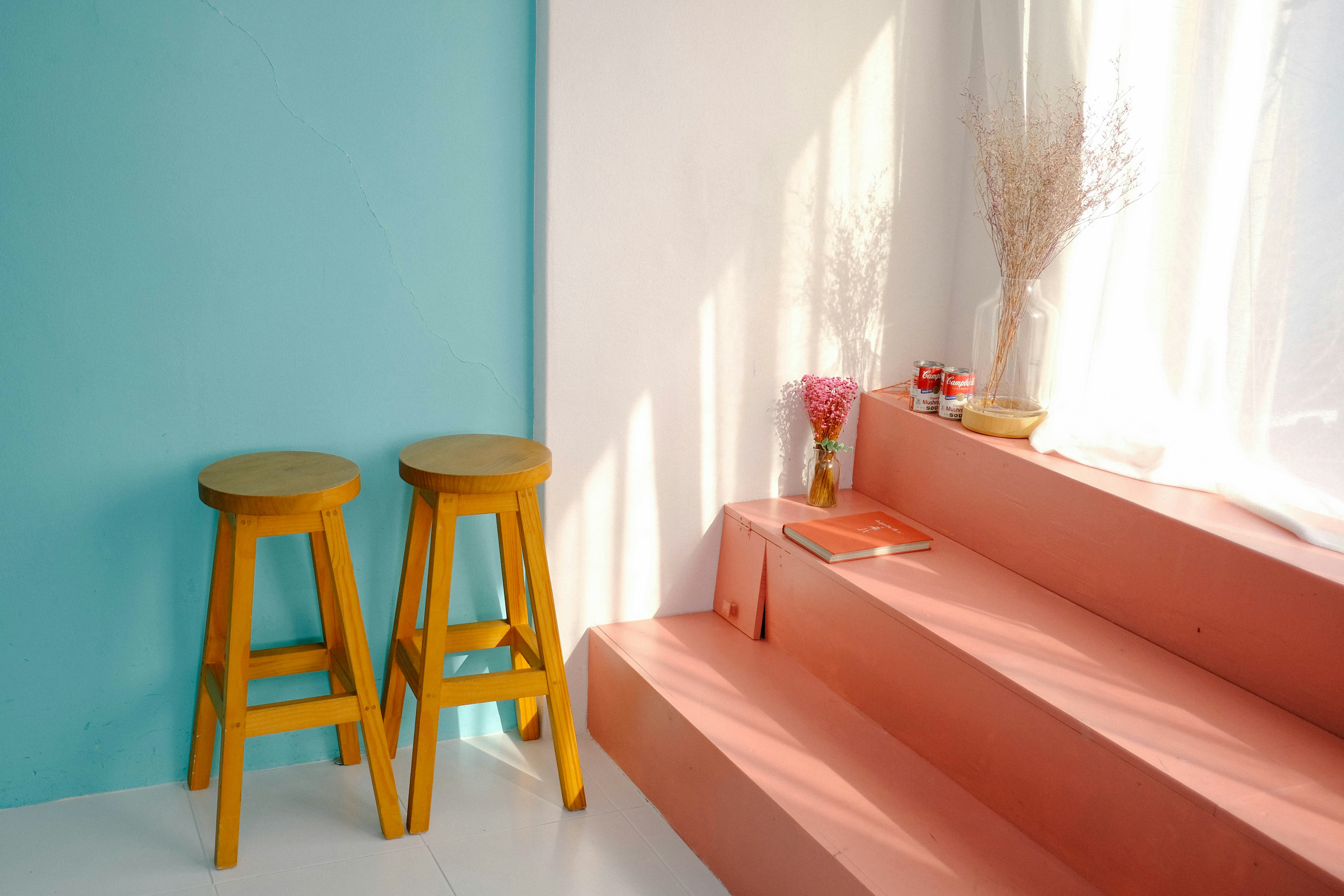
When we think of furniture, our minds often drift towards grand sofas or elegant dining tables, but one piece that often gets overlooked is the humble stool. This unassuming item has a rich history and a plethora of intriguing facts that many of us may not be aware of. From its historical origins to its innovative uses in modern design, stools have played a significant role in our homes and cultures. In this article, we’ll delve into unique perspectives and lesser-known facts about stools that are sure to pique your curiosity and appreciation for this versatile piece of furniture. So, let’s take a seat and explore the fascinating world of stools!
Historical Origins
Stools have a long and varied history that reflects the changing needs and aesthetics of different societies. The earliest recorded stools can be traced back to ancient civilisations, where they served as basic seating solutions. In ancient Egypt, for instance, stools were often crafted from wood and adorned with intricate carvings. They were not only functional but also symbolised status, often reserved for the elite. The design of these stools was typically low to the ground, highlighting their utilitarian purpose in a time when formal seating arrangements were not yet established.
Evolution Through the Ages
As we move through history, the evolution of stools mirrors the advancements in craftsmanship and materials. During the Middle Ages, stools became more prevalent in Europe, particularly in homes of the nobility. They were often made from oak, a wood that symbolised strength and durability. The design of stools from this period typically featured a backrest and armrests, transforming them into more comfortable seating options. Moreover, they were often used in conjunction with larger pieces of furniture, such as tables, to create a cohesive dining experience.
The Renaissance period brought about a renewed interest in art and design, influencing stool construction. Craftsmen began to experiment with more elaborate designs, incorporating elements like upholstery and decorative motifs. This era saw the rise of the baroque style, where stools were embellished with intricate carvings and gilding, making them not just functional items but also works of art. Such stools were often placed in grand halls and used during social gatherings, further embedding their role in cultural practices.
Stools in Everyday Life
By the 18th and 19th centuries, stools had permeated everyday life, becoming common fixtures in households across the UK. The Industrial Revolution played a significant role in this widespread adoption, as mass production made stools more accessible to the general population. Simple wooden stools became staples in kitchens and workshops, valued for their practicality and ease of use. They were often used by tradespeople and artisans, serving as both seating and work surfaces.
In contemporary society, stools have continued to evolve, with designers experimenting with various materials, shapes, and functionalities. Today, we see a plethora of designs ranging from minimalist bar stools to plush ottomans, proving that this humble piece of furniture has adapted to meet the changing demands of modern living. The historical journey of stools not only highlights their practical applications but also their cultural significance, making them an enduring element of our domestic landscape.
Cultural Variations
The design and use of stools vary significantly across cultures, reflecting the unique values, traditions, and lifestyles of different societies. In Japan, for instance, traditional stools known as "zabuton" are often used during tea ceremonies. These flat, cushioned seats are designed to be placed on tatami mats, encouraging a close connection to the floor, which is an integral part of Japanese culture. The zabuton not only provides comfort but also signifies humility and respect during gatherings, highlighting the cultural emphasis on simplicity and mindfulness.
In contrast, in many African cultures, stools are not merely functional items but carry profound symbolic meanings. The "throne stool," often elaborately carved and adorned, is a significant emblem of authority and leadership. These stools are typically reserved for chiefs or elders, serving as a physical representation of their status within the community. The craftsmanship involved in creating these stools often reflects the artistic heritage of the tribe, with each design telling a story or conveying important cultural narratives. This demonstrates how stools can transcend their utilitarian purpose, becoming vital elements of cultural identity.
Moving to the Western world, the use of stools has evolved in various contexts, particularly in the realm of dining and social interaction. In Mediterranean countries, for example, bar stools are a common sight in outdoor cafes and tavernas, where they facilitate a relaxed and communal atmosphere. The height and design of these stools encourage social engagement, allowing patrons to enjoy meals and drinks while mingling with friends and passersby. This reflects a cultural inclination towards socialising in public spaces, showcasing how the design of stools can influence social dynamics.
Examining these cultural variations reveals that stools are not just simple pieces of furniture; they are deeply intertwined with the social fabric and traditions of communities around the globe. From the humble zabuton of Japan to the ornate throne stools of Africa, each design carries its own significance and purpose, illustrating the diverse ways in which this versatile piece of furniture is integrated into daily life.
Innovative Uses in Design
Stools have long been appreciated for their practicality, but recent innovations in design have transformed them into striking pieces of art that serve multiple purposes. Contemporary designers are pushing the boundaries of traditional stool concepts, creating multifunctional pieces that cater to modern lifestyles. One notable example is the emergence of the "stackable stool," which allows for easy storage and flexibility in various settings. These stools can be used in homes, offices, or outdoor spaces, making them a versatile choice for those who value both aesthetics and functionality. According to a report by the Furniture Industry Research Association, the demand for multifunctional furniture has increased by 25% in the last five years, highlighting a significant trend towards adaptable living solutions.
Another innovative use of stools can be seen in the realm of sustainable design. Designers are increasingly incorporating recycled materials into stool production, which not only reduces waste but also adds unique character to each piece. Many modern stools are crafted from reclaimed wood, recycled plastics, or even upcycled textiles, showcasing how sustainability can be seamlessly integrated into stylish design. This approach not only addresses environmental concerns but also resonates with consumers who are becoming more conscious of their purchasing decisions. A survey conducted by the British Furniture Manufacturers found that 79% of respondents prefer to purchase products made from environmentally friendly materials, underscoring the importance of sustainable practices in contemporary design.
In addition to functional and sustainable innovations, the aesthetic appeal of stools has also seen a transformation, with designers experimenting with unconventional shapes and colours. The rise of sculptural stools that challenge traditional forms reflects a growing appreciation for creativity and individuality in furniture design. For example, stools with organic, fluid shapes can serve as striking focal points in a room, blurring the lines between furniture and art. This trend encourages consumers to express their personal style through unique pieces, demonstrating that stools can be both functional and visually captivating. As the design landscape continues to evolve, stools are increasingly recognised as key players in both functional and artistic realms, showcasing their enduring relevance in modern interiors.
Celebrity Influence: The Role of Famous Designers in Stool Design
Stools have garnered attention not only for their functionality but also for their aesthetic appeal, largely thanks to the influence of renowned designers. These influential figures have transformed stools into iconic pieces that often reflect their unique design philosophies. For instance, the legendary Italian designer, Mario Bellini, is known for his innovative approach to furniture design. His work often incorporates complementary stools that echo the playful forms of larger pieces, showcasing how stools can enhance the overall aesthetic of a space while serving practical purposes.
Another designer who has made a significant impact in the world of stools is Philippe Starck. His minimalist designs exemplify modern elegance, with pieces that often serve as statement furniture. For instance, his sleek stool designs are not only stylish seating options but also artful elements that can elevate any interior. Starck's influence extends beyond just aesthetics; his work often sparks conversations about sustainability and the importance of responsible manufacturing practices. A study published in the Journal of Design History found that 65% of consumers are drawn to products designed by well-known figures, highlighting the significant impact of celebrity designers on consumer choices.
In the realm of contemporary design, British designer Tom Dixon has also made waves with his approach to stools. His pieces combine traditional craftsmanship with modern techniques, showcasing how stools can be both functional and artistic. Dixon's commitment to using local materials and his focus on sustainability resonate strongly with UK consumers, who increasingly lean towards eco-conscious choices. According to a survey by the Design Council, 61% of UK consumers express a preference for locally sourced products, illustrating the growing trend towards supporting local artisans and sustainable practices in design.
The influence of these designers has not only elevated the status of stools within the furniture industry but also redefined how they are perceived by consumers. As stools continue to evolve in form and function, the contributions of these celebrated figures play a crucial role in shaping contemporary design trends and consumer preferences.
Conclusion: Embracing the Rich History of the Humble Stool
As we have explored throughout this article, the humble stool is far more than just a simple piece of furniture. Its historical origins, cultural variations, and innovative designs reveal a fascinating tapestry woven into the fabric of our daily lives. From ancient times where stools served as symbols of status and craftsmanship to their modern interpretations by renowned designers, stools have continually adapted to meet the needs and tastes of different eras and cultures.
We have seen how stools can transform a space, not only through their functionality but also as expressions of artistic vision. Designers like Mario Bellini, Philippe Starck, and Tom Dixon have showcased the potential of stools to blend practicality with aesthetic appeal, encouraging us to rethink their role in our homes and public spaces.
So, the next time you encounter a stool—whether at a café, in your living room, or as part of an art installation—take a moment to appreciate its rich history and the stories it carries. How has this simple piece of furniture influenced your own experiences? By recognising the significance of stools, we can celebrate their evolution and the creativity that continues to shape them today.